

Welcome to the electrifying world of the electric guitar, an instrument synonymous with energy, creativity, and the spirit of rock ‘n’ roll. The electric guitar has shaped the sound of music genres across the board, from blues and jazz to metal and indie rock. As a musician’s power tool, it offers an incredible range of sounds and techniques that can be harnessed to produce breathtaking music.
If you’re just starting out or looking to refine your skills, this Ultimate Guide is your roadmap to mastering the electric guitar. We’ll dive into the fundamentals of electric guitar anatomy, picking techniques, chord progressions, and soloing strategies. Plus, we’ll explore the essential gear that will elevate your playing experience – from amplifiers to effects pedals, ensuring you have the knowledge to create your unique sound.
Don’t forget to Subscribe To My YouTube Channel for exclusive tutorials, gear reviews, and tips to fast-track your guitar mastery. Stay tuned for the next sections where we’ll uncover more secrets of the electric guitar!
Essential Electric Guitar Techniques for Aspiring Guitarists
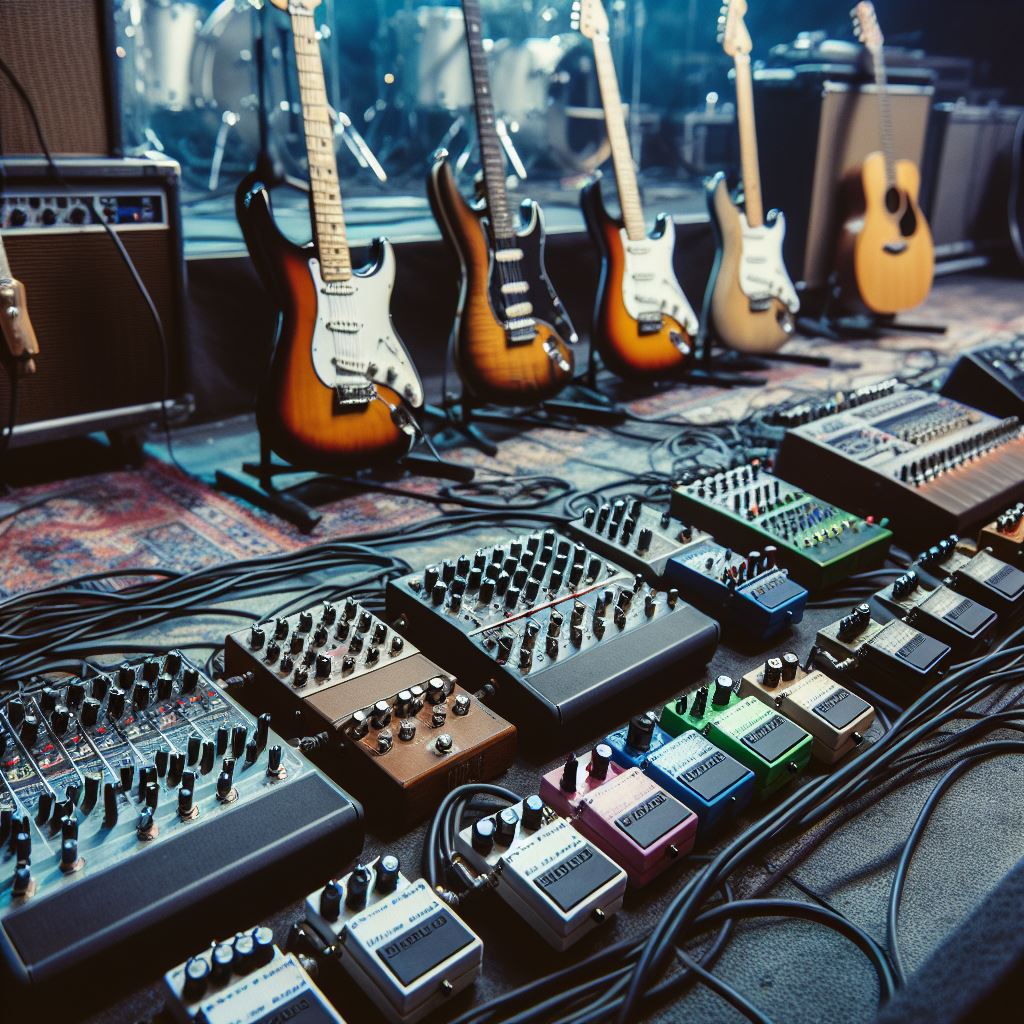
Mastering the electric guitar requires a firm grasp of various techniques that give this instrument its distinctive voice. For aspiring guitarists, understanding and practicing these methods are crucial for developing a versatile playing style. Let’s delve into some essential techniques that every electric guitar player should know.
- Picking and Strumming: The foundation of electric guitar playing lies in your picking hand. Alternate picking, for precision and speed, and strumming for rhythm parts are fundamental.
- Hammer-ons and Pull-offs: These legato techniques allow for smooth transitions between notes and are key for playing faster licks without picking each note.
- Bending and Vibrato: These expressive techniques add emotion and feel to your playing. Bending involves altering the pitch of a note, while vibrato involves shaking the string to create a pulsating sound.
- Palm Muting: By resting the side of your picking hand against the strings near the bridge, you can create a tight, muted sound that’s integral to genres like metal and punk.
- Sliding: Moving from one note to another along the string creates a smooth sound and is great for connecting phrases.
- Tapping: This technique involves using both hands to ‘tap’ notes on the fretboard, allowing for complex and rapid passages.
By incorporating these techniques into your practice routine, you’ll start to unlock the full potential of the electric guitar. Remember, patience and consistent practice are key to mastering these skills and finding your unique voice on the instrument.
Choosing the Right Electric Guitar and Gear
Selecting the perfect electric guitar and accompanying gear is a personalized journey that can significantly impact your sound and playing comfort. When embarking on this quest, it’s essential to consider several factors to ensure you find the right match for your musical style and aspirations.
- Body Style: Electric guitars come in various body shapes, such as Stratocaster, Les Paul, and Telecaster, each offering a unique look, feel, and sound. Consider the body style that suits your aesthetic preference and the genre of music you play.
- Pickups: The type of pickups (single-coil or humbucker) greatly influences the tone of the guitar. Single-coils are known for their bright and crisp sound, ideal for genres like blues and country, while humbuckers offer a warmer, fuller tone perfect for rock and metal.
- Neck Profile: The shape and size of the guitar’s neck affect playability. Whether you prefer a slim ‘C’ shape for faster play or a thicker ‘U’ shape for a more substantial grip, the neck profile should feel comfortable in your hands.
- Amplifiers: The amplifier is just as critical as the guitar itself. It can color your tone and provide a platform for effects. Whether you need a small practice amp or a powerful stage rig, choose one that complements your guitar and playing style.
- Effects Pedals: Pedals allow you to expand your sonic palette with effects like distortion, delay, reverb, and modulation. Start with the essentials and build your collection as you define your sound.
It’s also wise to try out different guitars and gear in person, as the feel and sound can vary significantly between models. Researching online reviews and tutorials can offer additional insights, but nothing replaces the experience of playing the instrument yourself. With the right electric guitar and gear, you’ll be well on your way to crafting your unique musical voice.
Maintaining Your Electric Guitar for Optimal Performance
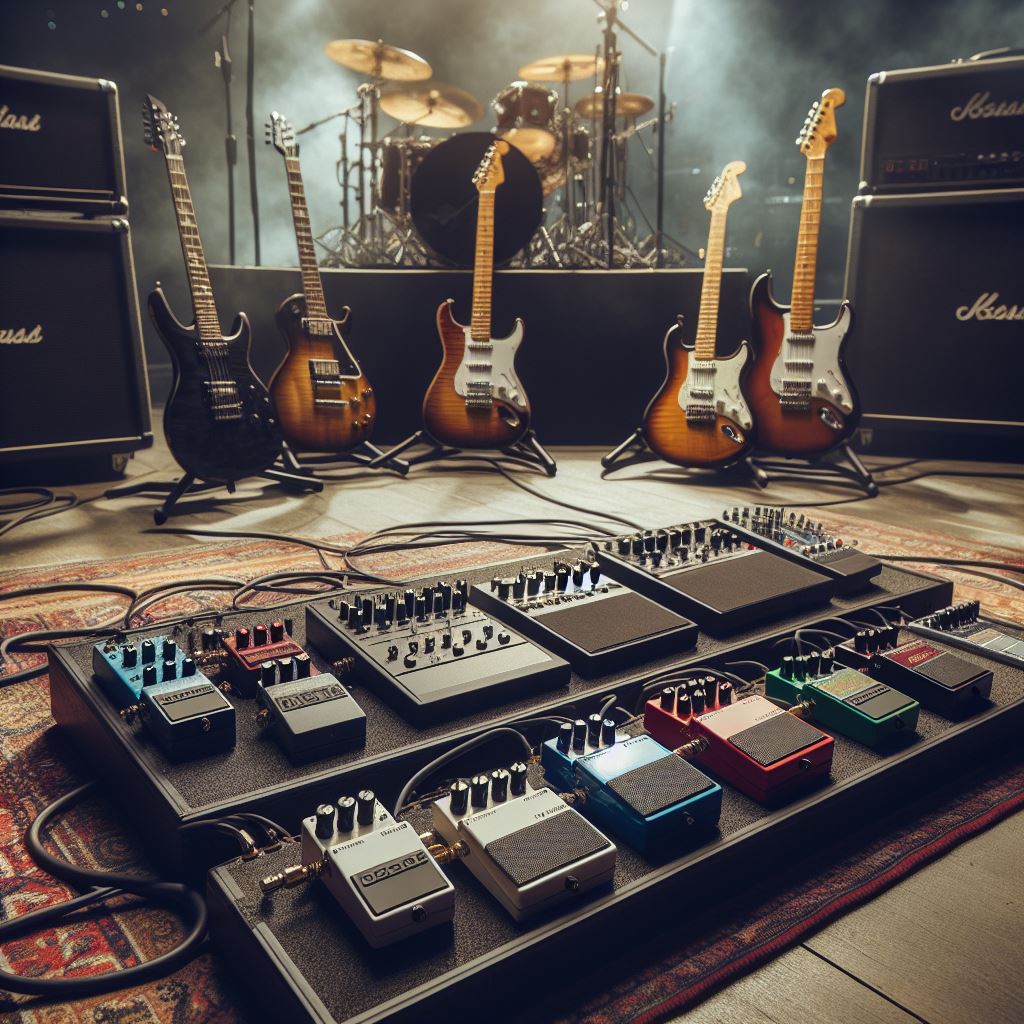
Ensuring your electric guitar remains in top playing condition requires regular maintenance. A well-maintained guitar not only sounds better but also makes playing more enjoyable and extends the instrument’s lifespan. Here are some key maintenance tips:
- String Care: Strings are vital to your guitar’s tone and should be changed regularly. Depending on your playing frequency, strings may need to be replaced every few weeks or months. Wipe them down after each use to remove oils and residue.
- Cleaning: Dust and grime can accumulate on your guitar’s body, fretboard, and headstock. Use a soft, dry cloth to clean your guitar and consider specialized cleaners for the fretboard, especially if it’s made of rosewood or ebony.
- Humidity Control: Extreme changes in humidity can cause wood to warp, leading to issues like fret buzz and neck bending. Try to keep your guitar in a stable environment, using humidifiers or dehumidifiers as necessary.
- Hardware Checks: Periodically inspect the tightness of all screws, bolts, and knobs. Loose hardware can lead to rattles and instability in your guitar’s setup.
- Electronics: Crackling pots and intermittent signal can often be fixed with contact cleaner. Regularly check your guitar’s input jack, as a loose jack can cause signal loss.
- Professional Set-Up: Even with regular home maintenance, it’s beneficial to have a professional setup done annually. This includes neck adjustment, intonation, action height, and possibly fret work to ensure your guitar plays its best.
By incorporating these maintenance routines, you can keep your electric guitar playing smoothly and sounding great. Regular care not only preserves the instrument’s quality but also inspires continued learning and musical exploration.
Practicing Strategies to Become an Electric Guitar Pro

Developing proficiency on the electric guitar demands a strategic approach to practice. To elevate your playing to a professional level, consider adopting the following strategies:
- Set Clear Goals: Define what you want to achieve with your guitar playing, whether it’s mastering a specific genre, technique, or a set of songs. Clear objectives provide direction and motivation.
- Consistent Routine: Regular practice is more effective than sporadic, lengthy sessions. Aim for at least 30 minutes a day, focusing on different aspects of playing.
- Warm-Up Exercises: Begin each practice session with finger exercises and scales to improve dexterity and muscle memory.
- Learn Music Theory: Understanding the theory behind music can vastly improve your playing and songwriting skills. Invest time in learning scales, chords, and progressions.
- Play Along: Use backing tracks or play along with your favorite songs to develop timing, rhythm, and improvisation skills.
- Record Yourself: Listening back to your playing can highlight areas for improvement and track progress over time.
- Seek Feedback: Play in front of others or take lessons to gain constructive criticism that can guide your development.
- Challenge Yourself: Regularly tackle new, more difficult pieces to push your skills further.
By integrating these strategies into your practice regime, you’ll not only progress faster but also find more enjoyment and satisfaction in your journey to becoming an electric guitar pro. Remember, patience and perseverance are key to mastering any instrument.
Advanced Electric Guitar Tips and Tricks for Seasoned Players
If you’re an experienced player looking to push the boundaries of your electric guitar playing, here are some advanced tips and tricks to add to your arsenal:
- Hybrid Picking: This technique involves using a pick and fingers simultaneously for speed and efficiency in complex passages.
- Legato Techniques: Master hammer-ons, pull-offs, and slides to create a smooth, flowing sound and minimize pick usage.
- String Skipping: Practice jumping over strings to create interesting and unconventional melodic lines.
- Tap Harmonics: Use the edge of your thumb or pick to create bell-like harmonic tones at various points above the frets.
- Whammy Bar Mastery: Explore the full potential of the whammy bar for vibrato, pitch bends, and dive bombs, but use it tastefully.
- Complex Chord Voicings: Incorporate jazz and extended chords for richer harmony.
- Ear Training: Develop your ear to identify chords and intervals, which will enhance your improvisation and composition skills.
- Experiment with Effects: Delve into the world of guitar pedals and effects to expand your sound palette.
Implementing these techniques will not only refine your skills but also breathe new life into your playing style. Stay curious and always be on the lookout for new methods to express your musical ideas. And if you’re eager to delve deeper into advanced guitar techniques and gear insights, Subscribe To My YouTube Channel for in-depth tutorials and reviews tailored to guitarists at every level.
Combining these advanced techniques with a solid understanding of music theory and regular practice will significantly enhance your musicality and technical prowess on the electric guitar. Embrace the challenge, and continue to evolve as a musician.